
Orthopedic Surgeon in Guadalajara


Top-Rated Service 2025
5.0 ★★★★★

775 Reviews
99%
Patients Satisfied with my treatments ★★★★★



Procedures
Symptoms
• Severe restriction of movement (especially when rotating or raising the arm above the shoulder)
• In case of acute trauma, deformity, and severe disability of the shoulder and entire extremity
Common conditions that may require shoulder surgery
• Shoulder instability.
• Shoulder arthritis.
• Humerus fractures.
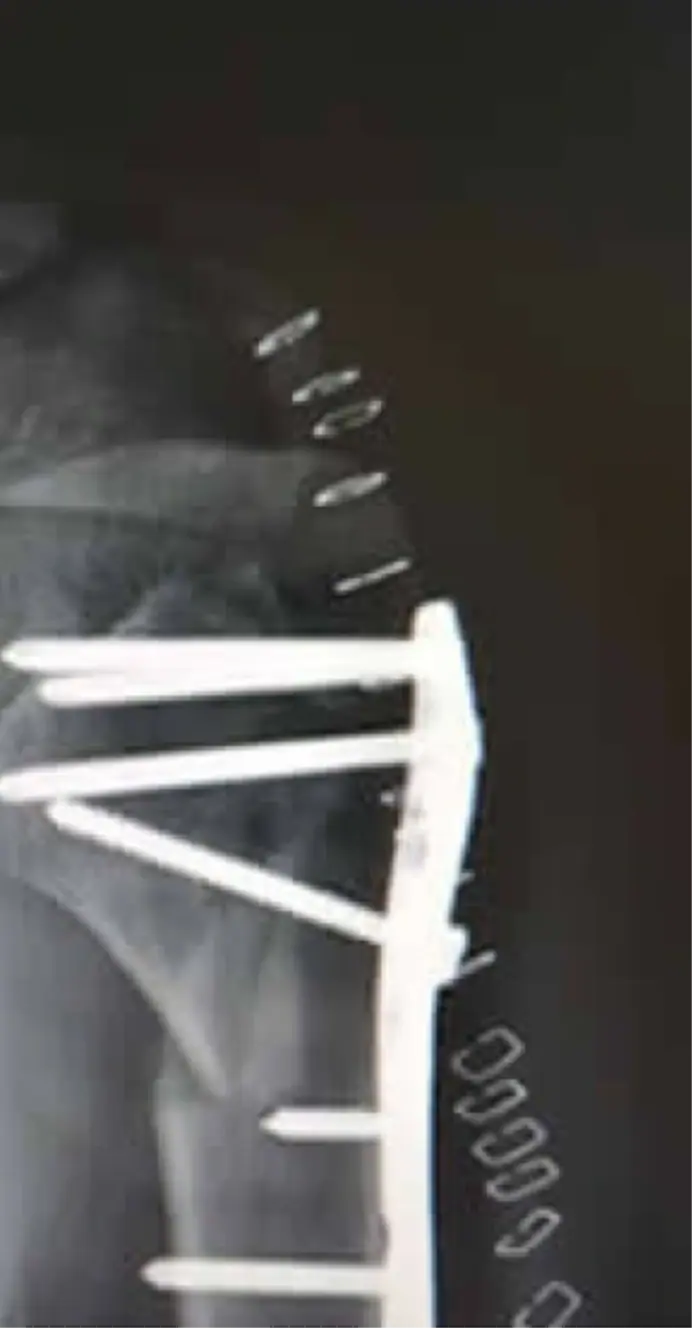

Advanced solutions in shoulder surgery and traumatology
Arthroscopic and minimally invasive treatments aimed at recovering the mobility, strength, and stability of your upper extremity.
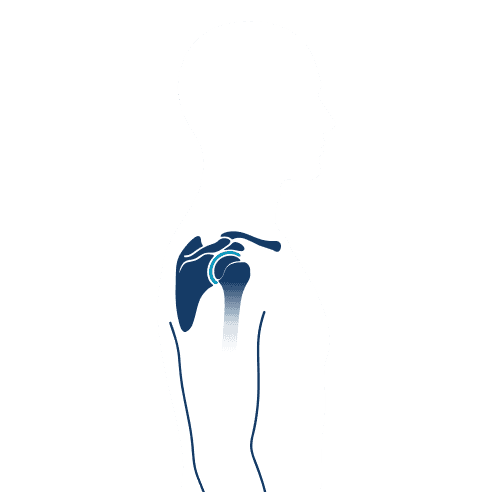
Common shoulder problems
Rotator cuff injury
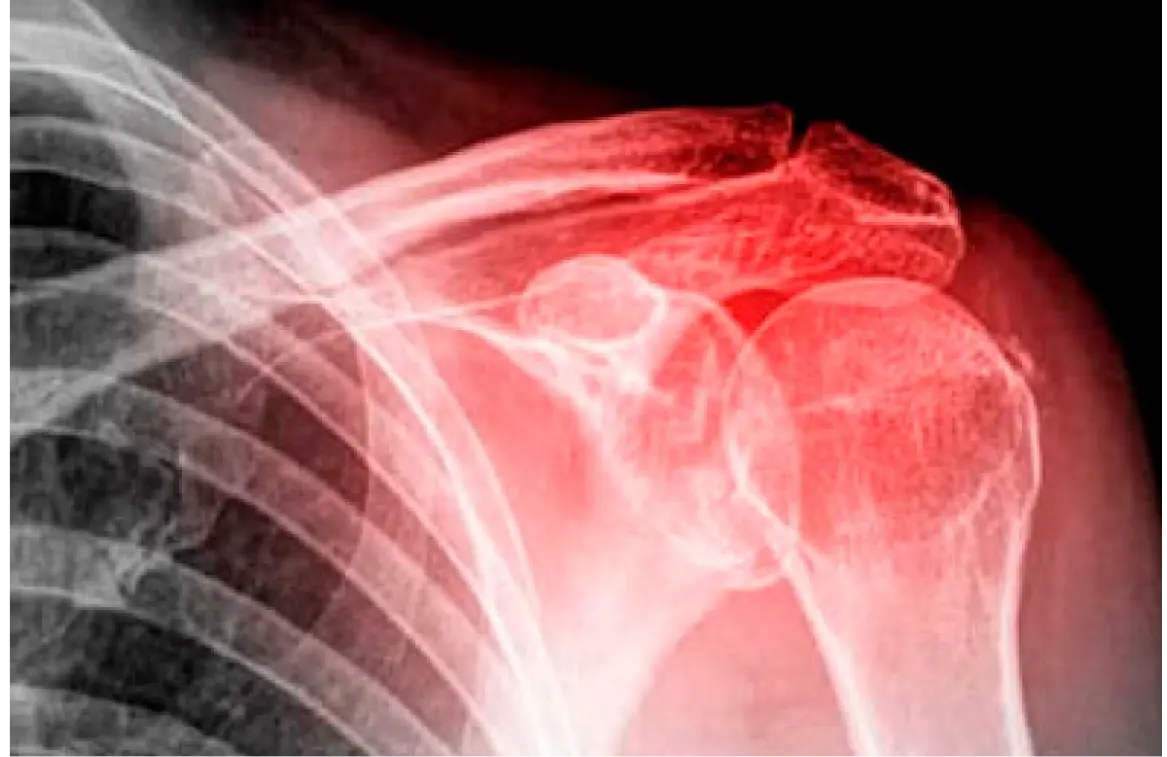
Severity of the injury
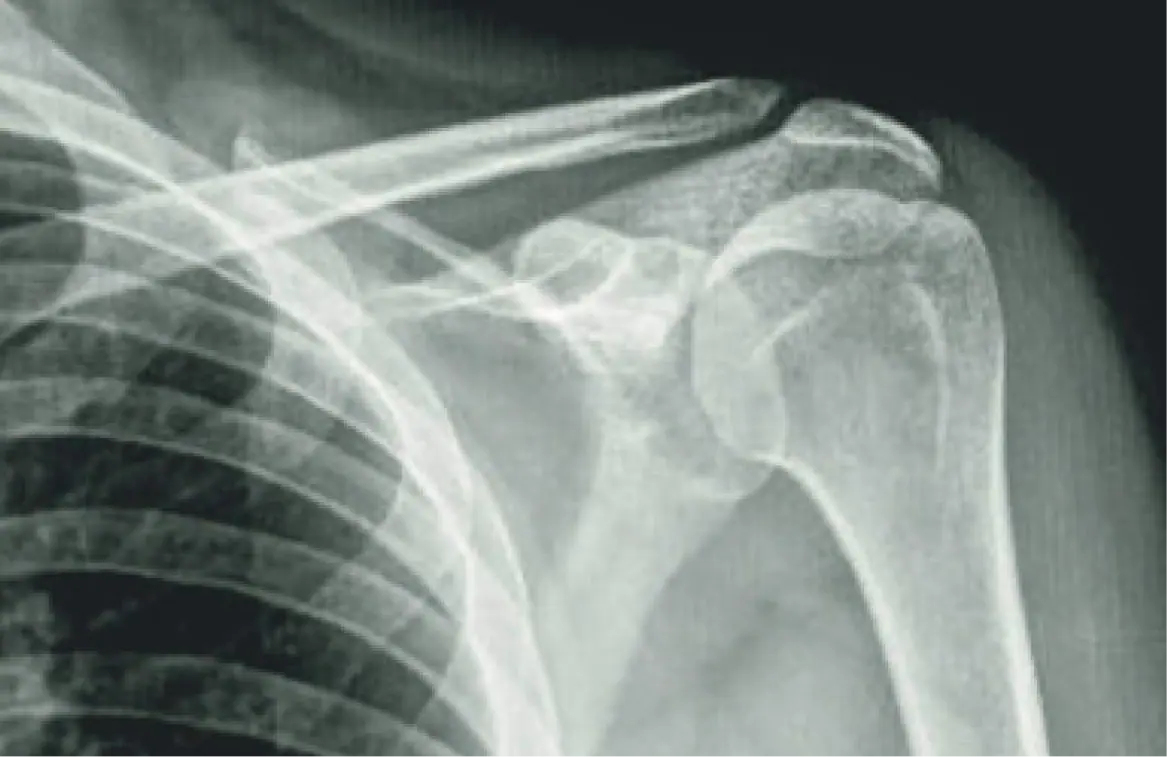
Causes: Rotator cuff injuries
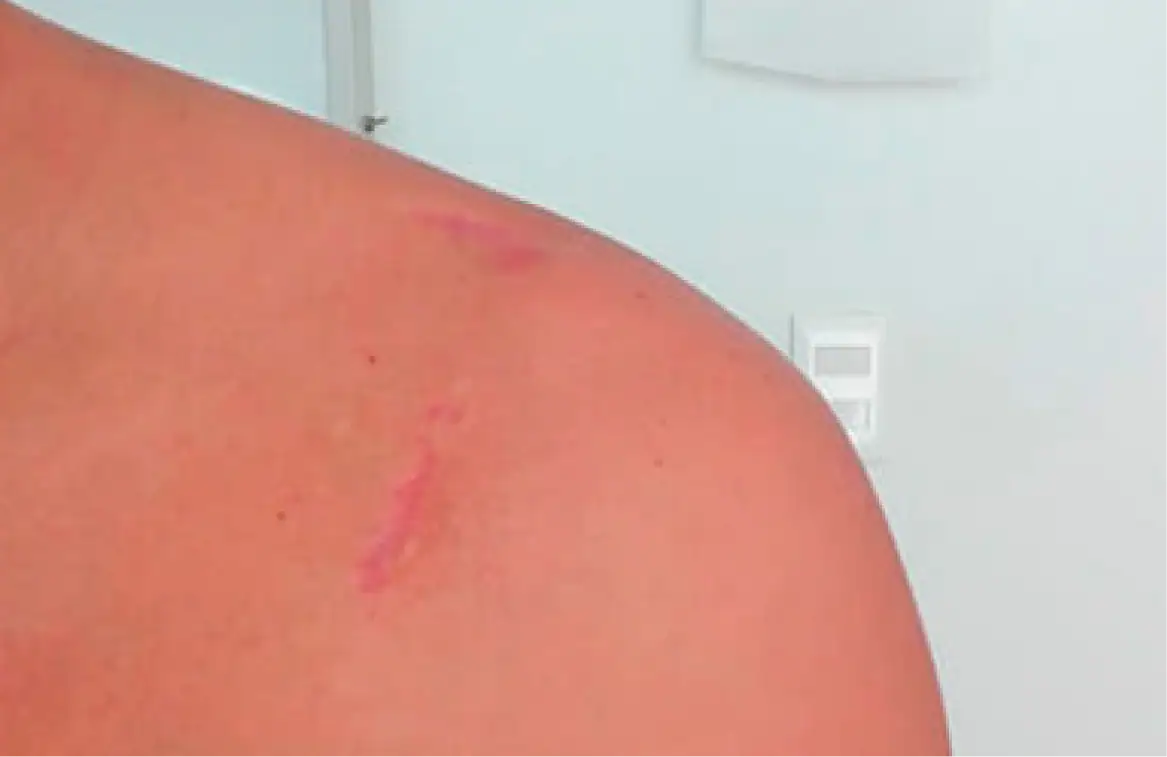
Rotator cuff treatment
Arthroscopic rotator cuff surgery
Open rotator cuff surgery
Mini-open rotator cuff surgery
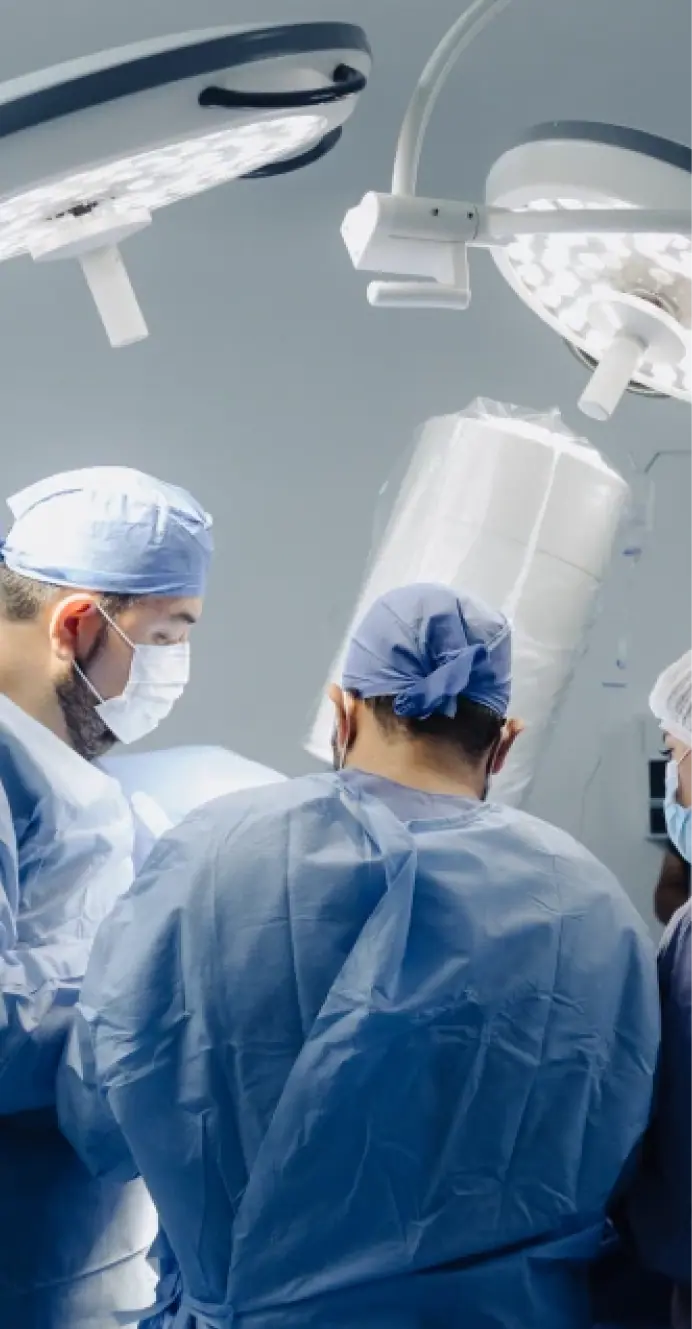




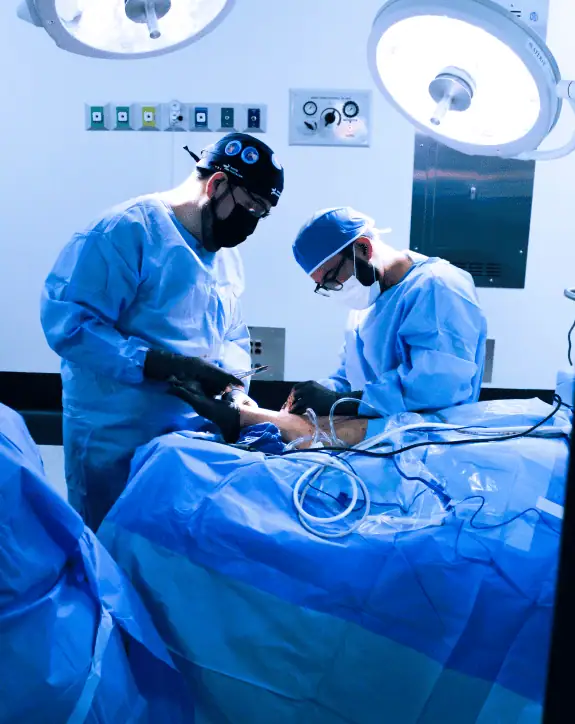
About me
Dr. Esteban Castro Contreras | Orthopedic Surgeon in Guadalajara

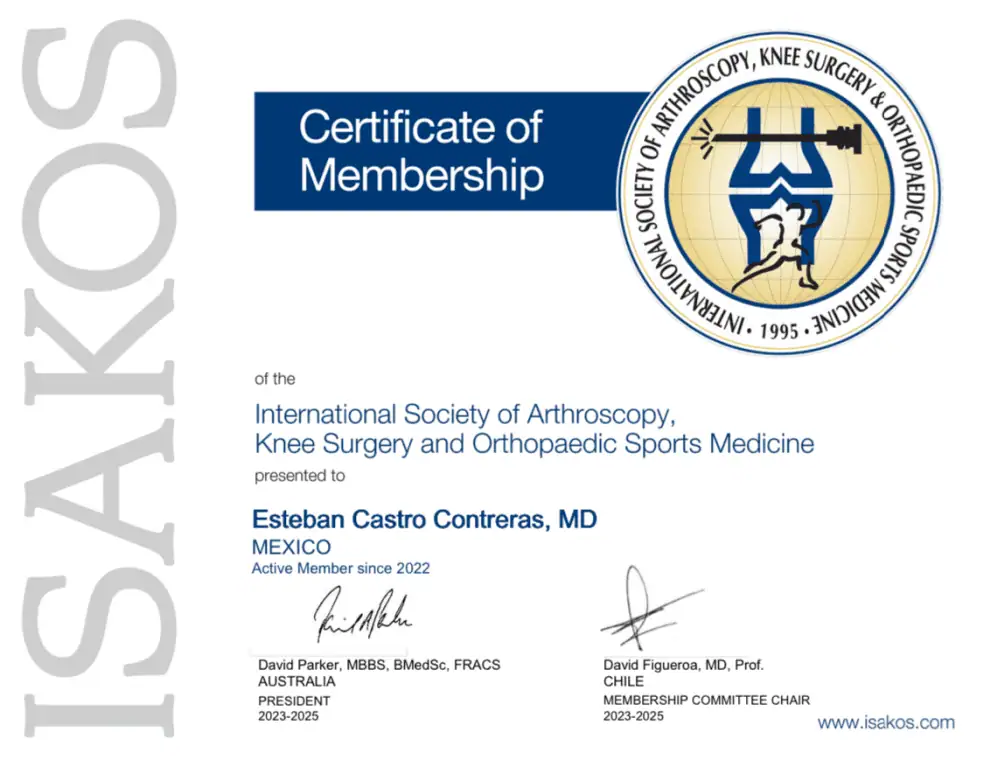
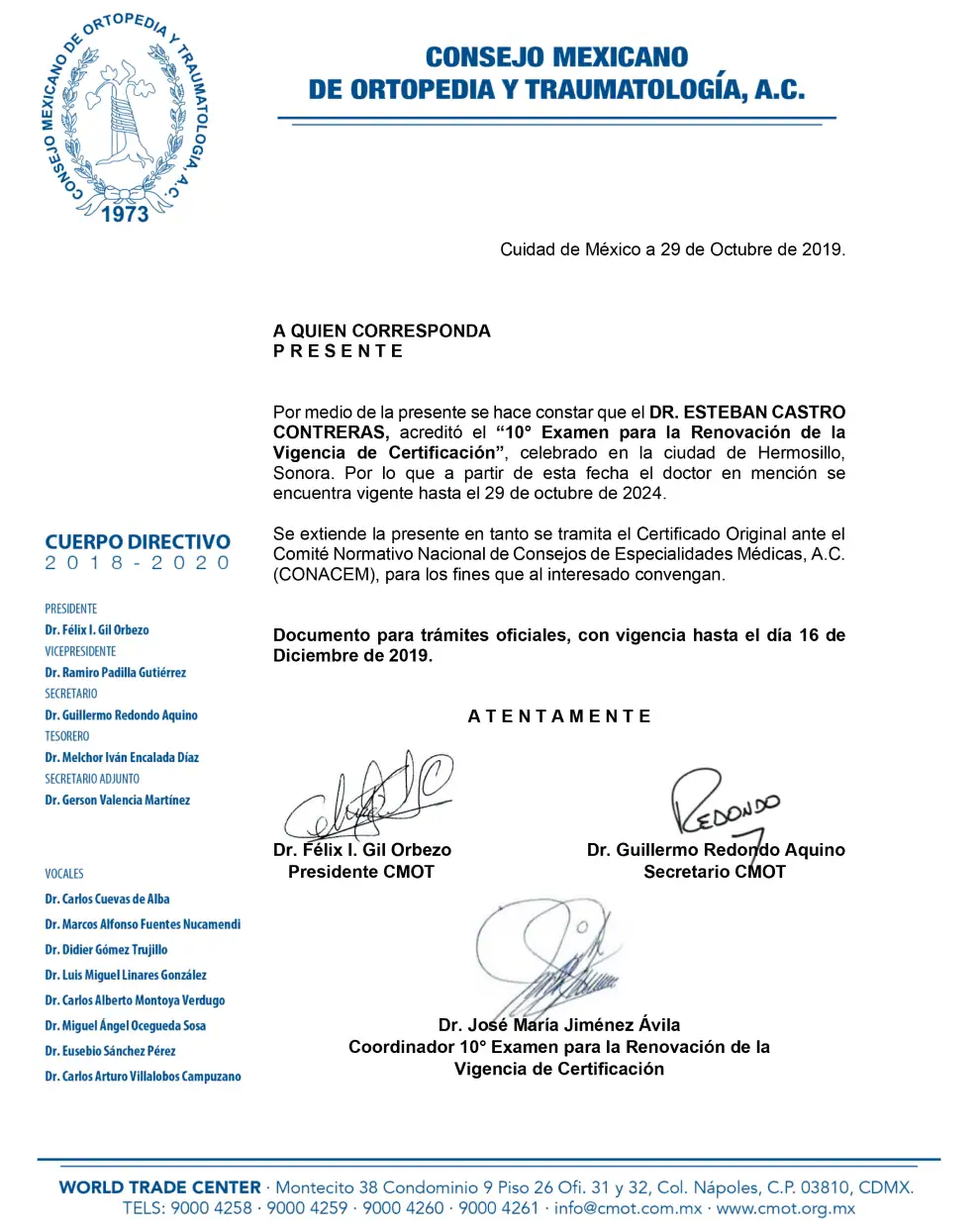
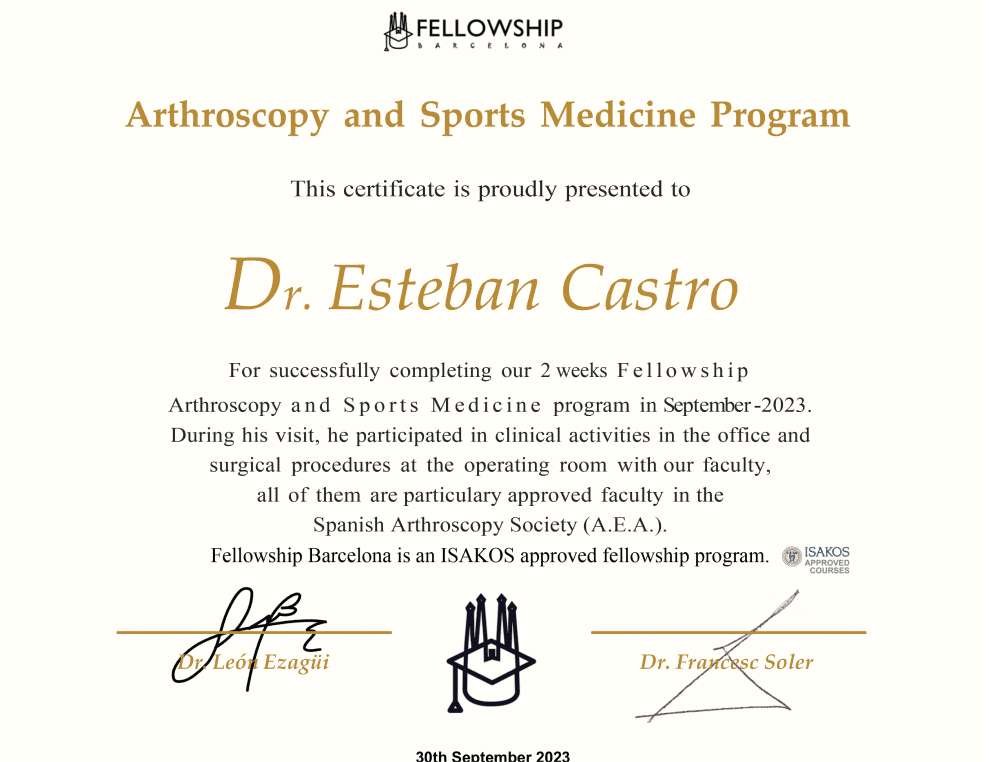
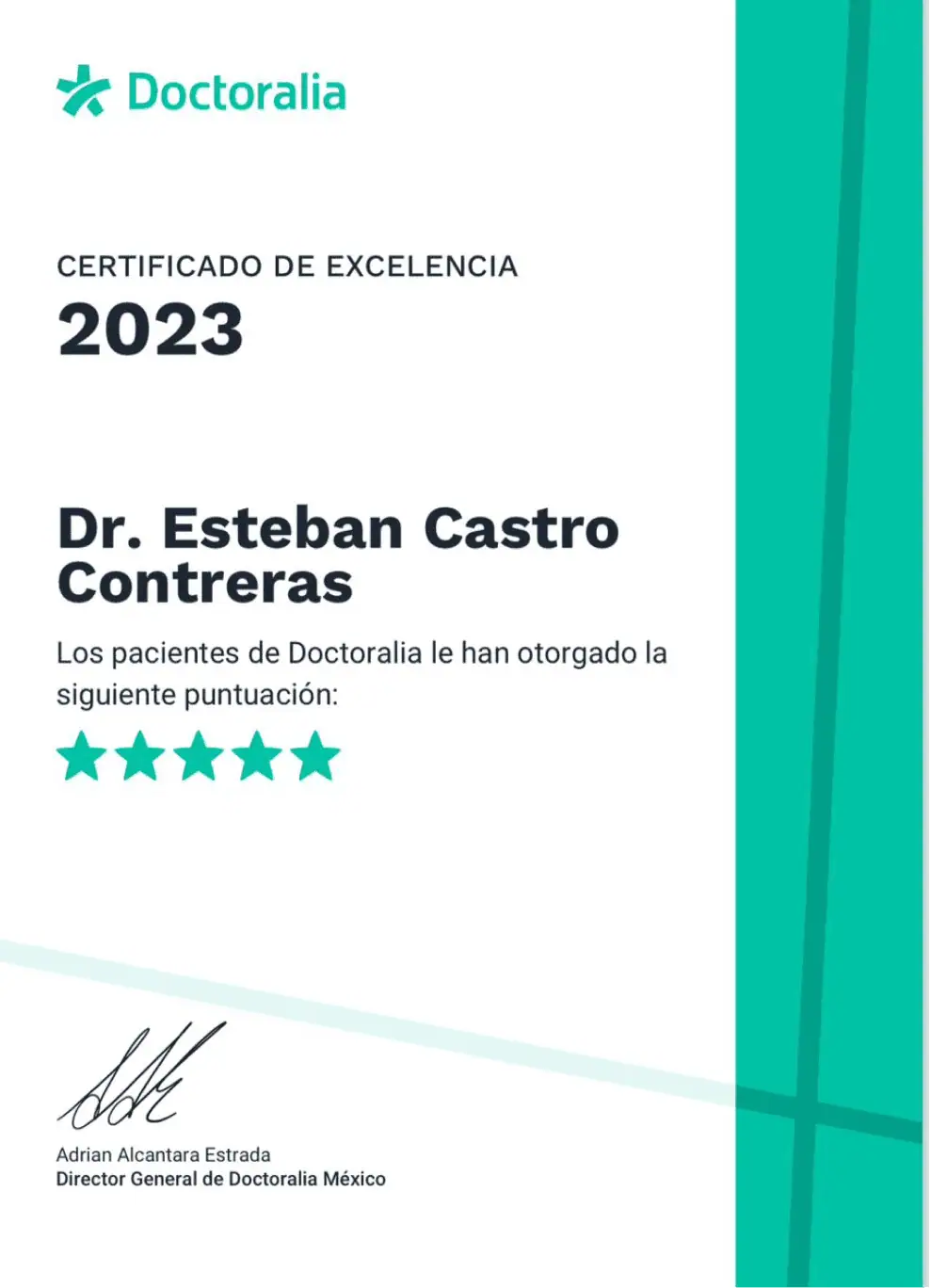
Background backed by global medical science
Discover the credentials and institutional endorsements that guarantee safe, ethical, and highest-quality surgical care.


Frequently asked questions about knee surgery
Shoulder surgery recovery can take several weeks to several months. After shoulder surgery, the patient can expect to be in a sling or brace for a period that can vary from a few weeks to several months, depending on the type of surgery.
The costs of a shoulder surgery can range between 20,000 and 100,000 Mexican pesos.
Some of the common conditions that may require shoulder surgery include:
-
Rotator cuff injuries: If a rotator cuff injury is severe and does not respond to other treatments such as physical therapy, corticosteroid injections, and pain medication, surgery may be necessary.
-
Shoulder instability: If the shoulder dislocates or slips out of place frequently, surgery may be necessary to stabilize the shoulder joint.
-
Shoulder arthritis: If shoulder arthritis is severe and does not respond to other treatments, joint replacement surgery may be necessary.
-
Humerus fractures: If a humerus fracture is severe and the bone cannot heal on its own, surgery may be necessary to fix the bone with plates, screws, or other devices.
Like any surgical procedure, shoulder surgery carries certain risks. However, in the hands of an experienced surgeon and with a multidisciplinary team approach, risks can be minimized and the surgery can be safe and effective.
Below are some tips to help you sleep after shoulder surgery:
-
Use pillows to support your shoulder: Place a pillow under the arm and another under the operated elbow to keep it elevated and prevent it from moving while you sleep.
-
Use a pillow for your head and neck: an additional pillow under the head and neck can also help relieve pressure on the back and the operated shoulder.
-
Avoid sleeping on your stomach or side: sleeping on your stomach or side can increase pain and discomfort in the operated shoulder. Try to sleep on your back with pillows under your arm and elbow.
-
Take pain relievers before bed: taking prescribed pain relievers before bed can help reduce pain and make you feel more comfortable while you sleep.
-
Practice deep breathing and relaxation: deep breathing and relaxation can help you calm down and reduce stress and anxiety related to pain and discomfort. This can make it easier to fall asleep.
Below are some tips for bathing after shoulder surgery:
-
Follow your doctor's instructions: your doctor will give you specific instructions on when you can bathe after shoulder surgery and what precautions you should take.
-
Keep the operated area dry: it is important to keep the operated area dry to prevent infections. Use a plastic bag or waterproof protector to cover your arm and operated shoulder while bathing.
-
Use warm water: use warm water instead of hot water to avoid irritating the operated area.
-
Avoid rubbing the operated area: avoid rubbing the operated area with a towel or sponge. Instead, let the water flow over the operated area gently.
-
Use mild soaps: use mild, fragrance-free soaps to avoid irritating the skin of the operated area.
-
Be careful getting out of the tub or shower: be careful getting out of the tub or shower, as it can be slippery. Ask for help if necessary.
Contact Orthopedic Surgeon